Photography isn’t always about capturing every detail clearly—often, it’s about knowing exactly what not to show.
That’s where the magic of bokeh comes in.
If you’re new to the term, bokeh refers to the beautifully soft, out-of-focus areas of a photograph, especially in the background or foreground. It’s more than just pleasing blur; it’s one of the most powerful tools in your visual storytelling kit.
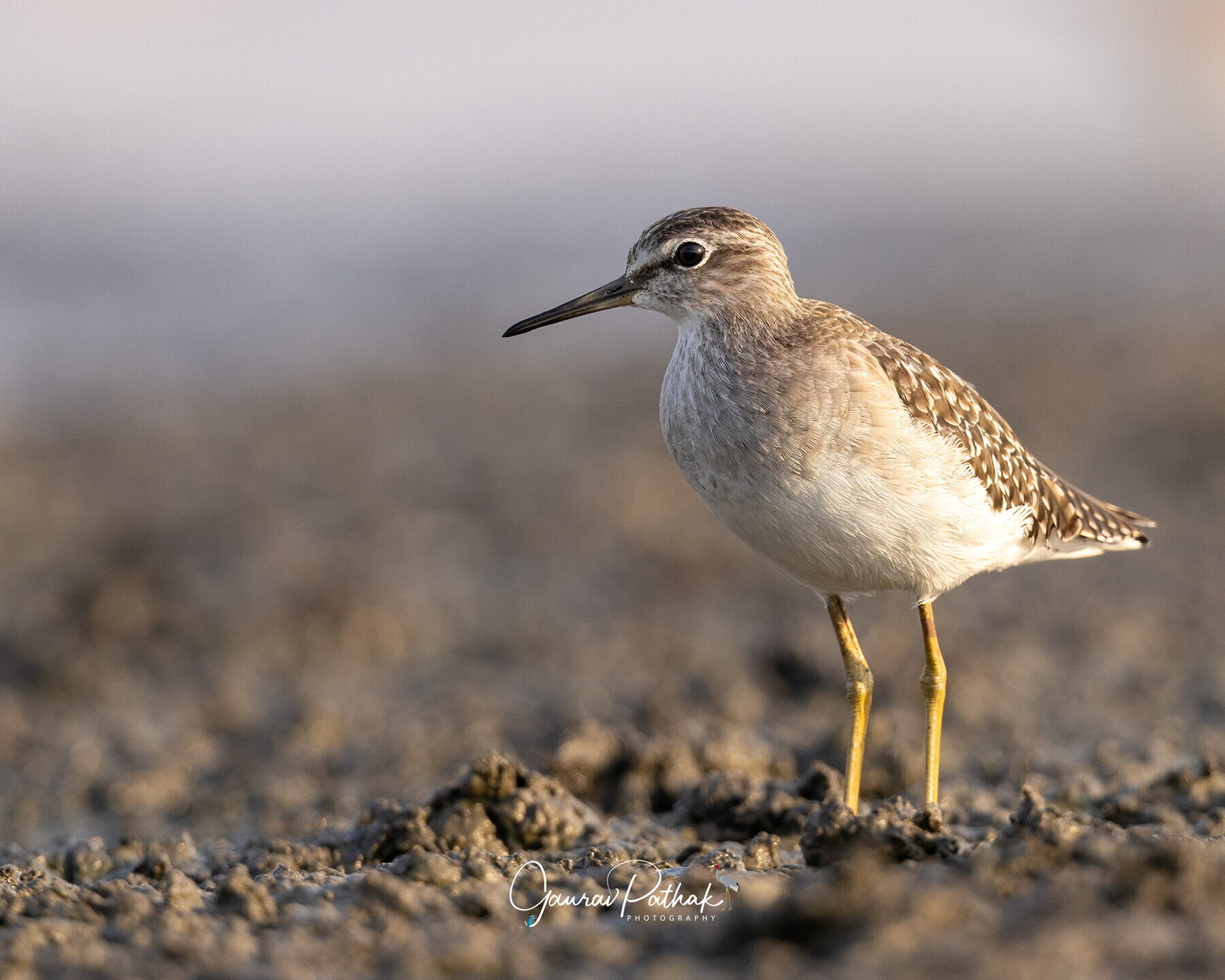
Recently, I captured an image of a wood sandpiper in the marshes of Gurgaon. Now, marshland habitats can sometimes offer rather dull backgrounds—muddy browns and muted greys that aren’t always the most visually exciting. Instead of trying to make this dreary setting more interesting by capturing every detail, I took a different route. I intentionally used bokeh to blur the background into soft, subtle tones, allowing the elegant sandpiper to shine clearly and vividly as the undisputed subject.
The result? A simple, serene composition where nothing distracts from the bird. The background doesn’t compete; instead, it softly supports the image, quietly hinting at the environment without dominating the scene.
Why Bokeh Works
Bokeh isn’t just an aesthetic choice—it’s a storytelling device. When you use it intentionally, you help your viewers focus precisely where you want them to look. Your subject emerges naturally as the focal point, framed by softness. This approach adds depth and a feeling of intimacy, transforming a basic wildlife shot into something poetic.
In my sandpiper image, the blurred background of earthy tones gently implies the marsh habitat without overwhelming or distracting the viewer. It whispers context rather than shouting it.
Technical Tips: How to Create Beautiful Bokeh
Want to experiment with this effect in your own images? Here are a few practical, easy-to-apply tips:
-
Choose a wide aperture:
-
Use a telephoto or prime lens:
-
Position your subject properly:
-
Get closer to your subject:
-
Keep an eye on your background:
Creative Tricks for Stunning Bokeh:
Elevating Simplicity
The power of bokeh lies in its subtlety. For my wood sandpiper, using intentional blur wasn’t about hiding a busy or distracting background, but rather about transforming a plain, uninspiring environment into something peaceful and elegant. It simplified the composition, highlighting the bird’s beauty and allowing its form, texture, and character to come forward effortlessly.
So, next time you’re out photographing—birds, wildlife, people, or even everyday objects—don’t be afraid to open up your aperture and embrace the blur. Turn simplicity into strength. Let your subject shine clearly against a softened backdrop, and watch your photographs transform from mere snapshots into compelling visual stories.
After all, photography isn’t about capturing everything—it’s about knowing exactly what to emphasize and what to let fade into gentle softness.
Have you experimented with bokeh in your images? I’d love to hear about your experiences or see your results! Share your thoughts below or connect with me.
← Back to the journal